Garden lighting requires a precise technical approach: it's not enough to simply "provide light," but to design a durable, safe system that enhances outdoor spaces. Between humidity, temperature fluctuations, and long wiring distances, every choice affects the system's lifespan and performance.
This guide is designed for electricians who want to create professional and reliable installations.
Garden Lighting Objectives
Before choosing the components, it's essential to understand what the light is intended to do:
- Functional lighting → paths, entrances, security
- Scenographic lighting → plants, trees, flowerbeds
- Architectural lighting → walls, pergolas, facades
- Ambient lighting → creating atmosphere
Each function requires different technical solutions.
Outdoor LED Transformers: What to Choose
In a garden system, the transformer must guarantee continuity and durability over time.
Key Features:
- Voltage: 12V or 24V
- IP Rating: Minimum IP65, preferably IP67
- Reliability: Continuous operation in humid environments
- Integrated protections: Short circuit, overload, temperature
Managing distances and voltage drops
In gardens, the distances between the power point and the lighting fixtures can be significant.
Best practice:
- Use 24V to reduce losses
- Increase the cable cross-section
- Avoid excessively long lines without intermediate power supply
Poor management of voltage drops leads to uneven light and reduces the life of LEDs.
IP Rating: Essential
Outdoor environments require high standards.
Practical guidelines:
- IP65 → protected areas (under canopies, walls)
- IP67 → exposed gardens, ground, humid areas
- IP68 → fountains or areas with permanent water
Caution: The entire system must be consistent (lamps, drivers, connections).
Tecniche di illuminazione per giardini
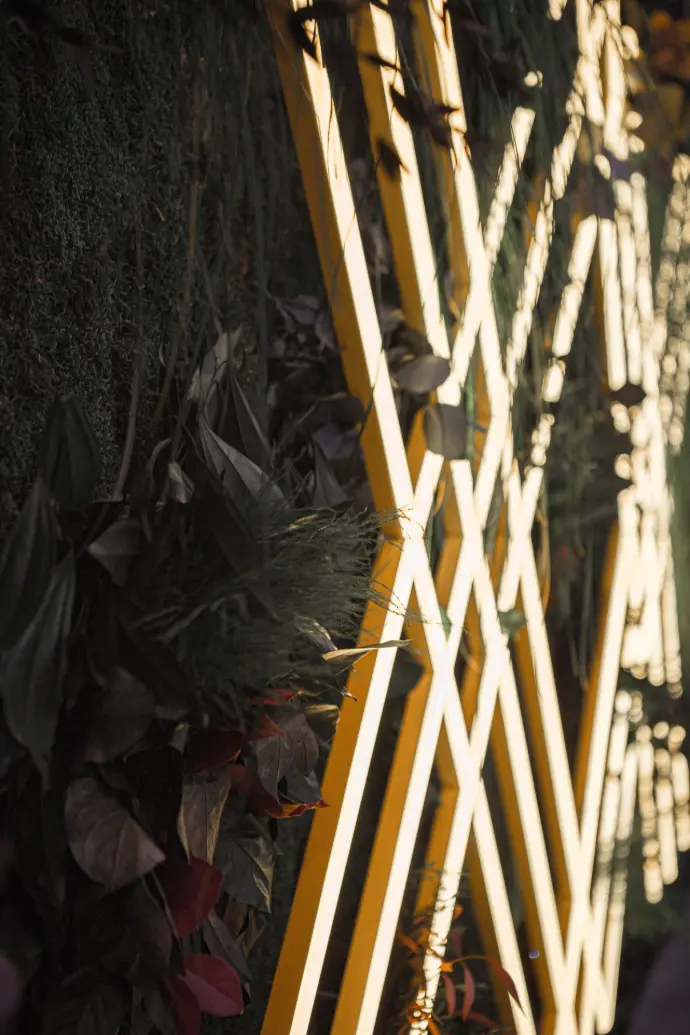
LED Profiles for Gardens: Functionality and Design
LED profiles are ideal for creating elegant and protected linear lighting:
- along paths and walkways
- under steps
- on pergolas and structures
- integrated into walls or borders
In addition to aesthetics, they guarantee:
- heat dissipation
- mechanical protection
- longer LED life
Relying on manufacturers like Tector Srl allows you to create custom profiles, perfect for precise integration into the landscape.
For a professional result:
- uplight → illuminate trees from below
- downlight → light from above on paths or relaxation areas
- wall washing → uniform illumination on walls
- accent lighting → highlight specific details
Always avoid direct glare and unnecessary light dispersion.
Outdoor wiring and connections
The most critical point of any system.
Fundamental rules:
- Use certified waterproof connectors
- Avoid improvised joints
- Install adequately IP-rated junction boxes
- Protect cables from moisture and infiltrations
Many failures arise from unprotected connections.
System efficiency and durability
A good garden system must operate for years without intervention.
To achieve this:
- Choose quality transformers
- Never operate at 100% load (leave a 20–30% margin)
- Ensure LED dissipation
- Use materials resistant to UV and atmospheric agents
Professional products, such as those supplied by Tector Srl, drastically reduce maintenance and replacements.
Common mistakes to avoid
- Using power supplies not suitable for outdoor use
- Underestimating the IP rating
- Ignoring voltage drops
- Installing LEDs without dissipation
- Using non-certified components
These mistakes compromise both the safety and longevity of the system.
Conclusion
LED garden lighting is a balance between technology and design. For an electrician, this means choosing reliable components, properly designing the lines, and installing with attention to detail.
Affidarsi a partner specializzati come Tector Srl — che offre trasformatori toroidali e profili LED su misura — permette di realizzare impianti professionali, sicuri e duraturi, valorizzando ogni spazio esterno.
Seguiteci anche su Linkedin, per restare aggiornati sulle novità e curiosità di settore.